Self-Service Kiosk Applications for Small Businesses and SMEs in 2025
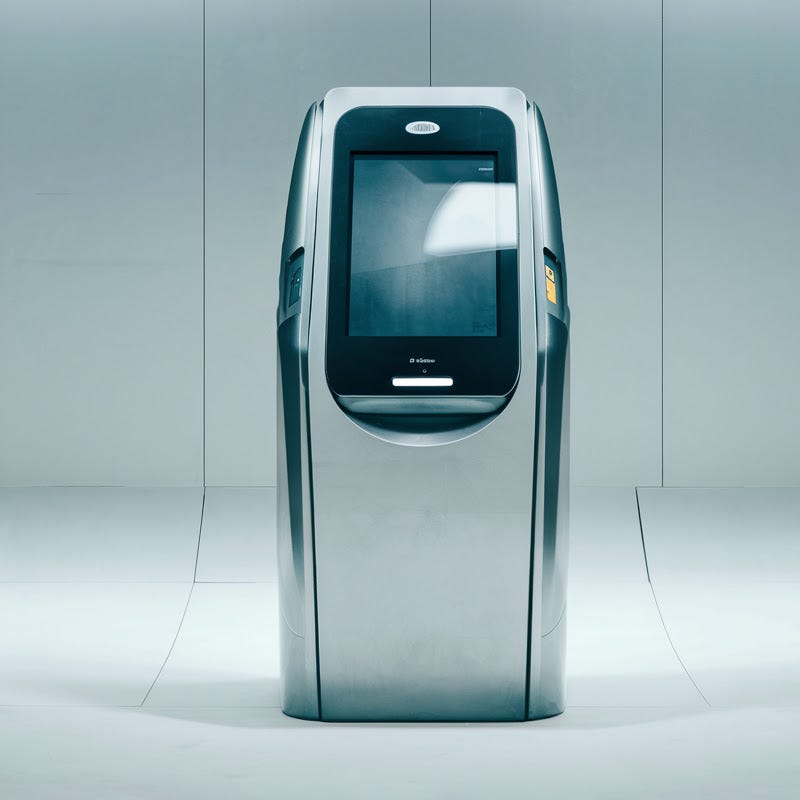 |
Self-service kiosks are reshaping how businesses interact with their customers. Imagine walking into a store, grabbing what you need, and checking out on a kiosk without waiting in line. It feels efficient, doesn’t it? As customer expectations evolve, so does the technology behind these kiosks. In this article, we’ll journey through the latest trends, benefits, challenges, and the expected future of self-service kiosks for small businesses and SMEs by 2025.
Current Trends in Self-Service Kiosk Technology
The landscape of self-service kiosks is undergoing a transformation. With advancements in technology, these kiosks are becoming indispensable tools for small businesses.
Integration with Mobile Technology
Self-service kiosks are not working in isolation anymore. They’re increasingly connecting with mobile applications. This integration allows customers to place orders on their phones and then pick them up at the kiosk. Think of it as a personalized shopping assistant. Customers enjoy a smoother experience, reducing wait times and streamlining services.
Artificial Intelligence and Personalization
Artificial Intelligence (AI) is making kiosks smarter. With AI, kiosks can learn from customer interactions. They analyze data to provide personalized recommendations. Imagine walking up to a kiosk, and it suggests what you might want based on your past purchases. This level of personalization enhances customer satisfaction and encourages repeat visits.
Contactless Payment Options
As health and safety remain top priorities, contactless payment options are becoming essential. Customers prefer tapping their cards or using mobile wallets instead of handling cash. This shift not only speeds up transactions but also boosts customer confidence in using kiosks. It’s a win-win for both business owners and patrons.
Benefits of Self-Service Kiosks for Small Businesses and SMEs
Implementing self-service kiosks can be a game-changer for small businesses. Here are some key benefits.
Cost Reduction and Operational Efficiency
One of the most appealing aspects of kiosks is the potential for cost savings. They can reduce labor costs by handling simple tasks that would otherwise require staff. With kiosks taking on order processing or check-ins, employees can focus on more complex customer needs. This operational efficiency streamlines service, allowing businesses to serve more customers in less time.
Enhanced Customer Engagement and Satisfaction
Kiosks empower customers by giving them control over their transactions. They can customize their orders, check product availability, and complete purchases at their own pace. This autonomy can lead to higher satisfaction levels. When customers feel in charge, they’re more likely to return.
Data Collection and Analytics
Challenges of Implementing Self-Service Kiosks
While self-service kiosks offer many advantages, they’re not without challenges. Small businesses should be aware of these hurdles.
Initial Investment and Maintenance Costs
Installing kiosks isn’t free. The initial investment can be significant, covering hardware, software, and installation. Then there are maintenance costs to consider. Regular updates and tech support mean ongoing expenses. Small businesses need to carefully evaluate their budgets before jumping in.
User Adoption and Technical Issues
Not everyone is comfortable using technology. Some customers may find kiosks intimidating. Ensuring a smooth user experience is crucial. Providing tutorials or staff assistance can help ease the transition. Additionally, having a robust support system for technical issues is key. Kiosks should be user-friendly and reliable to win over skeptical customers.
Security and Privacy Concerns
Data security is a valid concern for both businesses and customers. Kiosks handle sensitive information, such as payment data. Ensuring robust security measures are in place is essential to protect customer privacy. Small businesses must invest in secure systems to build trust with their patrons.
Future Outlook and Innovations in Kiosk Applications
As we look toward 2025, self-service kiosks will continue to evolve. Here are some exciting possibilities on the horizon.
Innovative Features and Capabilities
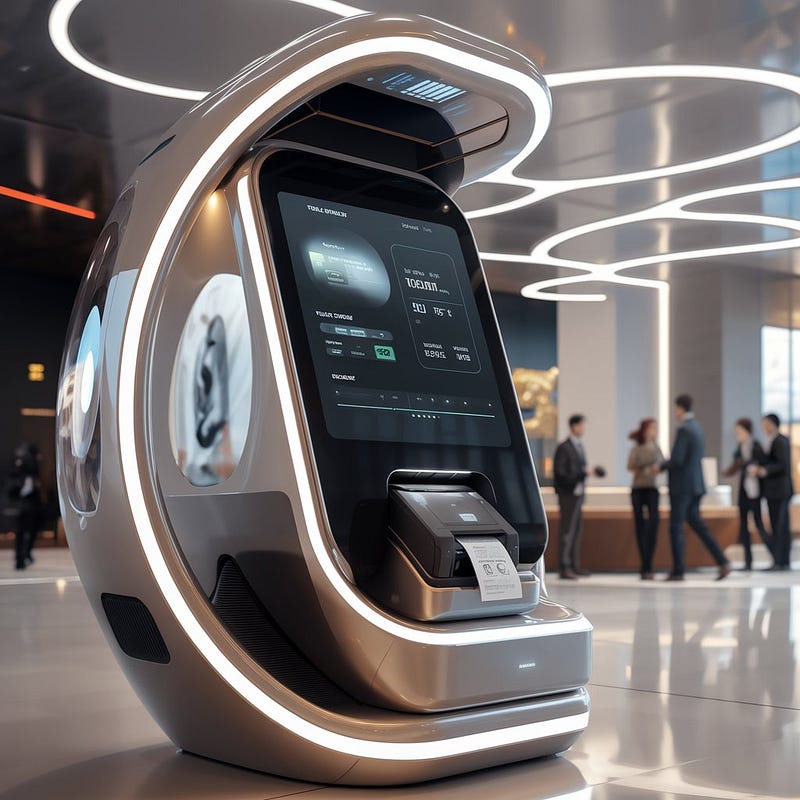
Expect kiosks to incorporate innovative features like augmented reality. This technology can create engaging experiences by showcasing products in new and exciting ways. Advanced analytics will also enhance operations, enabling businesses to adapt more quickly to changing customer preferences. Multi-language support may become standard, catering to diverse customer bases.
Sustainability and Eco-Friendly Practices
The push for sustainability is growing in importance. Future self-service kiosks may embrace eco-friendly materials and energy-efficient technology. By adopting green practices, businesses can appeal to environmentally conscious customers, making a positive impact while enhancing their brand image.
Conclusion
Self-service kiosks hold significant potential for small businesses and SMEs. They enhance efficiency, improve customer satisfaction, and provide valuable data insights. While there are challenges to consider, the benefits often outweigh the obstacles. As technology continues to advance, the opportunity for kiosks to innovate and positively affect customer interactions will only grow. Small businesses should consider adopting kiosk technology to stay competitive in the evolving marketplace. It’s an exciting journey ahead!
Comments
Post a Comment